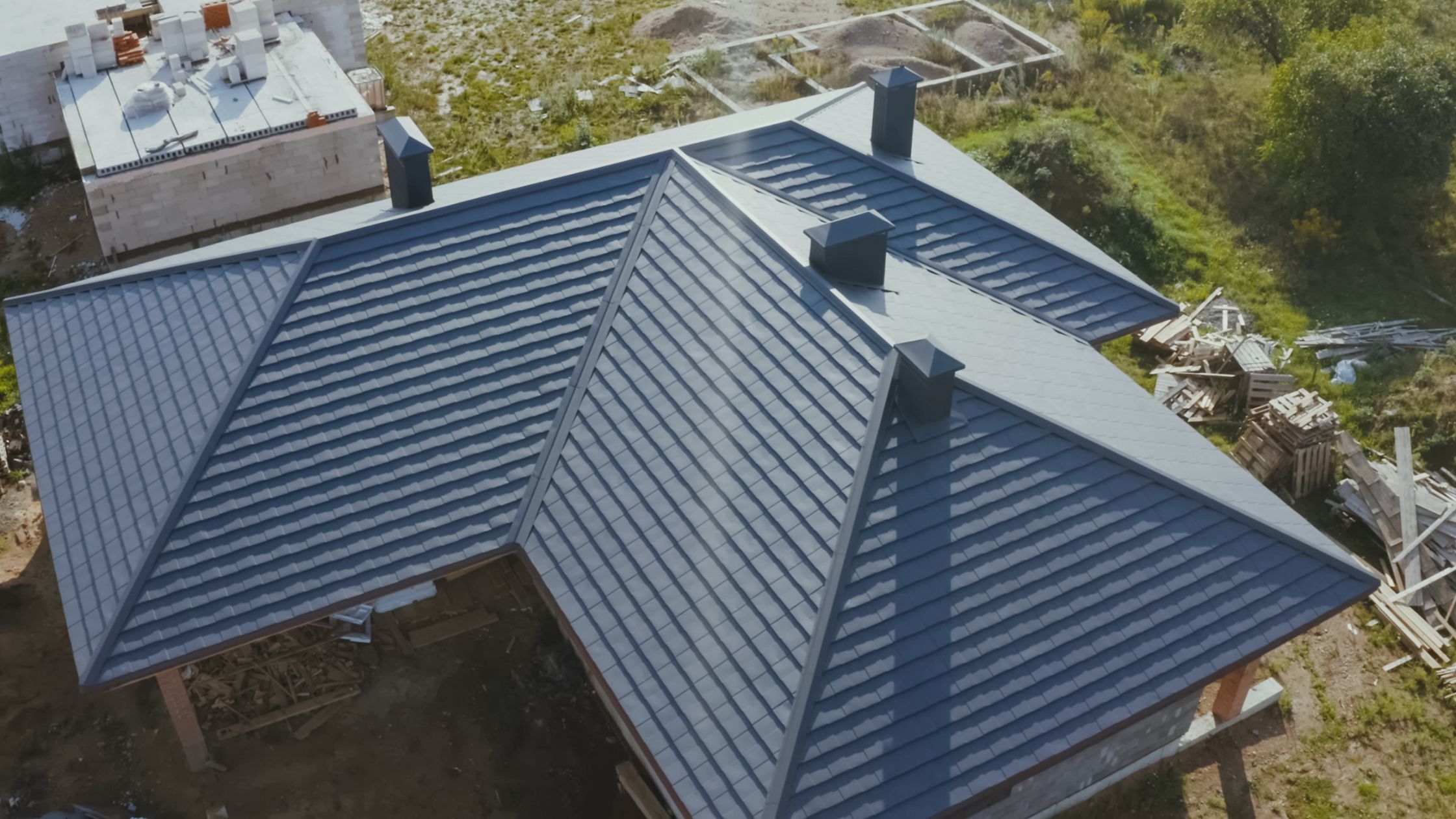
Your roof is the single most important protective element of your home. It shields every room, every person, and every possession beneath it from the wind, rain, and cold of the British climate. Yet it is also one of the least understood parts of a house, and when the time comes to repair, replace, or upgrade it, many homeowners find themselves confronted with a set of choices they are not equipped to make.
This guide is designed to change that. It explains the main roofing materials available to UK homeowners, how each one performs, which situations each is suited to, and what the practical and financial implications of each choice involve. Whether you are replacing a damaged roof, building an extension, or simply want to understand what is over your head before you call roofers north wales, this is the place to start.
Slate Roofing: The Gold Standard for the UK Climate
Slate is the most prestigious and longest-lasting roofing material available, and in parts of the UK, including North Wales, it is also the most historically appropriate. A well-laid slate roof using quality natural slate can last a hundred years or more with minimal maintenance, making it one of the best long-term investments a homeowner can make in their property.
Natural Welsh Slate
Welsh slate has been quarried for centuries and remains one of the most respected natural roofing materials in the world. Extracted from the great quarries of Gwynedd, particularly around Bethesda, Llanberis, and Blaenau Ffestiniog, Welsh slate is dense, hard, and virtually impermeable to water. Its distinctive blue-grey colour weathers beautifully over time, and roofs laid with original Welsh slate are a defining visual characteristic of buildings across North Wales and well beyond.
Welsh slate is recognised as the premium choice for properties in the region, both for its performance and for its visual appropriateness to the local built environment. On a historic property or a new build in an area where traditional materials are expected, Welsh slate is often the only material that will satisfy planning requirements or satisfy the aesthetic expectations of the building. In conservation areas and on listed buildings in North Wales, planning authorities will frequently require the use of natural Welsh slate rather than artificial alternatives.
Varieties of Welsh slate used in roofing include Cambrian slate, a blue-grey product from the Penrhyn quarry in Bethesda, and Ffestiniog slate, a distinctive purple-grey stone quarried from the Blaenau area. Both are widely used by roofers across North Wales and are available in a range of formats from traditional hand-cut sizes to modern machine-dressed slates.
Natural Spanish and Other Imported Slate
Natural slate from Spain, particularly from the Galician quarries in the northwest of the country, is widely used in UK roofing as a cost-effective alternative to Welsh slate. Spanish slate is a quality product and a good choice where the higher cost of Welsh slate is a constraint, though it differs in colour (typically darker and more uniformly grey) and in some performance characteristics. For projects in areas without specific requirements for local materials, Spanish or other imported natural slate represents good value.
Artificial and Fibre Cement Slates
Artificial slates, manufactured from fibre cement or recycled materials, are a lower-cost alternative to natural slate that can replicate its appearance to varying degrees of success. They are lighter than natural slate, easier to work with, and significantly less expensive to buy. Their lifespan is typically shorter than natural slate, often thirty to fifty years rather than a century or more, and they do not weather in the same way as natural stone.
For properties where budget is the primary constraint and planning requirements do not specify natural slate, artificial slates can be a practical choice. For properties in conservation areas, areas of outstanding natural beauty, or anywhere that the visual quality of the roofing material is subject to scrutiny, natural slate is almost always the better investment.
Roof Tiles: Clay and Concrete
Tiles are the most common roofing material on residential properties across the UK as a whole, though their prevalence varies regionally. In much of England, clay and concrete tiles are the default. In Wales, and particularly in North Wales, slate is more traditional and tiles are less commonly seen on period properties.
Clay Tiles
Traditional clay roof tiles are fired ceramic products that have been used in British roofing for centuries. Plain clay tiles, the flat interlocking tiles seen on countless Victorian and Edwardian properties, are durable, attractive, and well suited to traditional architecture. They have a lifespan comparable to natural slate when well made and correctly laid, and their warm terracotta tones weather pleasantly over time.
Pantiles and Roman tiles, both interlocking profiles that were common in eastern England and in some coastal areas influenced by Dutch and continental building traditions, are less widely used but remain appropriate for the properties they were originally specified for. Interlocking clay tiles in modern profiles are available from several manufacturers and combine the material quality of clay with installation efficiency.
Concrete Tiles
Concrete tiles are the most widely used roofing tile in the UK market, accounting for a large proportion of new-build and replacement roof installations. They are manufactured in a range of profiles and colour finishes, are strong and durable, and are considerably less expensive than clay tiles. Their lifespan is typically thirty to fifty years, shorter than clay or natural slate but adequate for most domestic applications.
Concrete tiles can lose surface colour over time and may develop algae and lichen growth more readily than clay tiles or slate. They are heavier than many alternative materials, which means the roof structure needs to be appropriate to their weight. For a straightforward like-for-like replacement on a property that was originally tiled with concrete, they remain a practical and cost-effective choice.
Flat Roofing: Felt, EPDM Rubber, and Fibreglass
Flat roofing covers extensions, garage roofs, outbuildings, and the flat sections of many modern homes and commercial properties. It is a distinct category of roofing with its own materials, techniques, and performance characteristics, and choosing the right flat roofing system is as important as choosing the right material for a pitched roof.
Traditional Felt Flat Roofing
Built-up felt roofing, using layers of bitumen-impregnated felt torch-welded together, has been the standard flat roofing system in the UK for many decades. It remains widely used because it is relatively inexpensive, quick to install, and well suited to straightforward flat roof applications. However, traditional felt flat roofing has a limited lifespan of typically ten to fifteen years before it begins to crack, split, or develop blisters, and it requires maintenance and eventual replacement more frequently than modern alternatives.
For homeowners on a tighter budget who need a functional flat roof rather than a long-term solution, felt roofing remains a viable option. For those who want to minimise future maintenance and replacement costs, the modern systems described below are significantly better investments.
EPDM Rubber Roofing
EPDM (ethylene propylene diene monomer) rubber roofing is a synthetic rubber membrane that has become the most popular modern flat roofing system for domestic applications in the UK. A single EPDM membrane is laid over the roof deck, bonded or mechanically fixed, and sealed at the edges and penetrations. When correctly installed by an experienced roofer, EPDM provides a durable, waterproof, and virtually maintenance-free surface with a lifespan of fifty years or more.
EPDM’s performance in the UK climate is excellent. It remains flexible in cold temperatures, resists UV degradation, and does not crack or blister in the way that felt can. Its plain black appearance is unobtrusive and appropriate for garage roofs, extension roofs, and flat sections of residential properties. It is an increasingly common recommendation from quality roofers for any new flat roof installation or major flat roof replacement.
Fibreglass (GRP) Flat Roofing
Fibreglass or GRP (glass reinforced polyester) flat roofing uses a laminate of fibreglass matting and polyester resin applied in liquid form over the roof deck, where it sets to form a hard, seamless, waterproof shell. GRP flat roofing produces a very clean, smooth finish and is particularly popular for extensions where the roof may be partially visible from inside through glazed doors or roof lights, as it presents better aesthetically than felt or rubber.
GRP is extremely durable and resistant to impact and puncture. Its lifespan is comparable to EPDM at twenty-five years or more, though like any flat roofing system it is only as good as the quality of the installation. GRP roofing requires skilled application: the resin must be applied within specific temperature and humidity conditions, and the joints, upstands, and flashings must be executed carefully to ensure a fully waterproof result.
Roofline Products: Soffits, Fascias, and Guttering
The roofline elements of a property, the soffits, fascias, barge boards, and guttering that form the junction between the roof and the walls, are often overlooked as a maintenance and improvement priority but play a critical role in protecting the roof structure and the building fabric.
The Problem With Timber Roofline
Traditional timber fascias, soffits, and barge boards were the standard on UK properties until the widespread adoption of uPVC alternatives from the 1980s onwards. Timber performs adequately when it is correctly maintained, painted regularly, and kept free of moisture ingress. In practice, many timber roofline installations on older properties have deteriorated significantly: paint peeling, timber softening, and in some cases rot penetrating deep enough to threaten the structural integrity of the rafter feet and roof timbers above.
Deteriorated roofline also allows moisture to enter the roof void, potentially damaging insulation and roof timbers, and provides access routes for pests including birds and squirrels. Blocked or leaking gutters associated with deteriorated fascias cause water to run down the walls, contributing to damp problems at high level.
uPVC Soffits, Fascias, and Guttering
uPVC roofline products have transformed the maintenance burden of the roofline on most properties. Once installed correctly over sound timber or directly to the rafter feet, uPVC soffits and fascias require no painting, do not rot, and maintain their appearance for decades. Modern uPVC products are available in a wide range of profiles, colours, and finishes, including wood-grain effects, that allow homeowners to achieve a traditional or contemporary appearance as appropriate to the property.
uPVC guttering, installed as part of a roofline replacement, provides a cleaner, lower-maintenance water management system than ageing cast iron or deteriorated uPVC guttering. Properly installed uPVC gutters with appropriate falls, correct joint sealing, and adequate fixings will manage roof water effectively and reliably for twenty-five years or more with only occasional cleaning.
Choosing the Right Roofing Material for Your Property
The right choice of roofing material for any specific property depends on a combination of factors that are particular to the building, its location, and the homeowner’s priorities.
- The age and character of the property: a Victorian slate-roofed terrace in a North Wales town should be re-roofed in natural slate for both aesthetic and planning reasons; a modern extension with a shallow pitch may suit a flat rubber roof
- Planning and conservation constraints: properties in conservation areas, national parks such as Eryri, and those with listed building status may have specific requirements about materials; always check with the local planning authority before committing to a material
- Budget: natural Welsh slate and clay tiles are more expensive upfront than concrete tiles or artificial slate but offer significantly longer service lives; the whole-life cost calculation often favours the higher-quality material
- The existing roof structure: the pitch, the condition of the roof timbers, and the load-bearing capacity of the structure all influence which materials are appropriate; a structural survey before specifying materials is advisable on any major re-roofing project
- The regional climate: North Wales experiences some of the highest rainfall totals in the UK, significant coastal exposure in many areas, and occasionally severe weather from Atlantic systems; materials need to perform reliably in these conditions, which is one of the reasons Welsh slate has such a strong track record in the region
The Importance of Quality Installation
The best roofing material in the world will underperform if it is poorly installed. This cannot be overstated. A natural Welsh slate roof laid incorrectly, with insufficient fixings, poorly dressed flashings, or inadequate underlay, will fail prematurely and allow water ingress that causes damage out of all proportion to the cost of the roof itself. A GRP flat roof applied by an inexperienced tradesperson in unsuitable conditions will crack and leak within a few years. The quality of the workmanship is at least as important as the quality of the materials.
When choosing a roofing contractor, look for evidence of relevant experience and completed projects in the specific material you are specifying. Ask to see examples of their slate work or flat roofing installations. Check that they are appropriately insured for work at height and for the scale of project you are commissioning. A reputable local roofer with a track record of quality work in the region is always preferable to an unknown or itinerant contractor offering a lower price.
Roofing in North Wales: Local Considerations
North Wales has one of the richest roofing heritages in the UK, defined above all by the tradition of Welsh slate. The towns and villages of the Conwy Valley, the Llandudno peninsula, Colwyn Bay, and the surrounding areas contain a very large stock of historic properties whose roofs, when they need attention, deserve work carried out by roofers who understand the local tradition and the materials it involves.
The weather of coastal North Wales is demanding on roofing. Properties on the Conwy Bay coast are exposed to salt-laden winds, driving rain from the west and north-west, and the occasional very severe gales that Atlantic weather systems bring. Roofing materials and installation standards need to reflect this exposure. Fixings must be correct for the conditions, underlay must be appropriate to the wind zone, and ridge and hip details must be properly secured to withstand wind loading.
Choosing a roofer who is based in North Wales and works here day in, day out, means choosing someone who understands these conditions from experience rather than from a textbook. The local knowledge that comes from years of working on roofs across Colwyn Bay, Llandudno, Conwy, and the surrounding area is a genuine practical advantage that no amount of general qualifications can fully substitute for.
Conclusion: Your Roof Is Worth Getting Right
A roof that is correctly specified, well installed, and properly maintained will protect your home reliably for decades and add to the value and appeal of the property. A roof that is poorly specified, rushed through installation, or neglected until it fails causes expensive damage to the building and to its contents.
The time to think carefully about your roofing options is before a problem develops, not in the middle of one. Understanding the materials available and what each one offers equips you to have an informed conversation with a roofing contractor and to make decisions that serve your home and your budget well for many years to come.