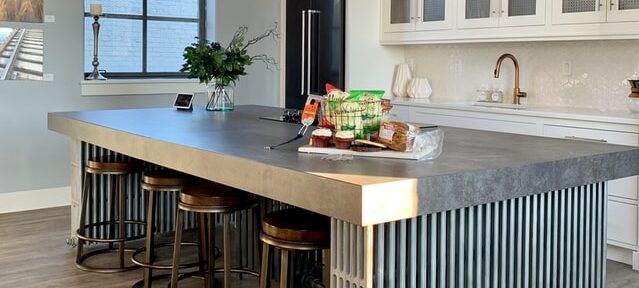

Concrete worktops are definitely the way to go if you’re looking to take your kitchen or bathroom to the next level of style and sophistication but aren’t sure how to go about getting concrete worktops in your home. To make it easier for you, here are the most frequently asked questions about getting concrete worktops in your home, along with answers to them!
Concrete worktops are kitchen work surfaces made from concrete. They are a durable and tough option for kitchen counters and bathroom vanity tops. They can also be used for commercial spaces such as bars, restaurants and even commercial office spaces.
Other options for kitchen countertops include granite, marble, wood and engineered stone. Each of these materials offers unique aesthetics and durability that can be customized to your home’s style. Granite has beautiful veins, marble offers shimmering colour variation, wood delivers warmth to your kitchen space and engineered stone provides a wide range of colours for you to choose from.
Concrete is a mixture of cement, gravel and sand. In fact, most concrete worktops are made from a mixture of recycled construction materials that have been ground down into a fine powder known as ‘concrete’. Using a mixer with grinding attachments, a cement paste is created out of these ingredients which can then be manipulated into different textures and colours using pigments.
Sealing concrete worktops is a common, and essential, part of making sure your concrete worktop stays in good condition for as long as possible. You can either do it yourself or have it done professionally. To seal concrete worktops yourself, you’ll need to prepare them first by cleaning them thoroughly to remove grease, oil and dust. Then use a sealer that is appropriate for your type of worktop.
Concrete worktops are available in a variety of price ranges. The overall cost of your job will vary depending on factors like size, shape, quality and materials used. However, you can expect to pay around £75-125 per square metre of the standard concrete worktop.
Concrete can chip and crack, but with proper preparation of the worktop prior to installation, you can prevent these cracks from forming. You’ll want to seal your kitchen countertop prior to installation by adding a good coat of sealer over any existing scratches or blemishes. This will protect your counter for years before additional coats are needed. Once sealed, use plastic spacers to carefully space out brackets so that no two brackets touch one another.
As a general rule, concrete worktops are more durable than traditional kitchen surfaces. As well as being scratch-resistant and easy to clean, they come in a variety of colours and finishes, so you can choose something that perfectly complements your décor.