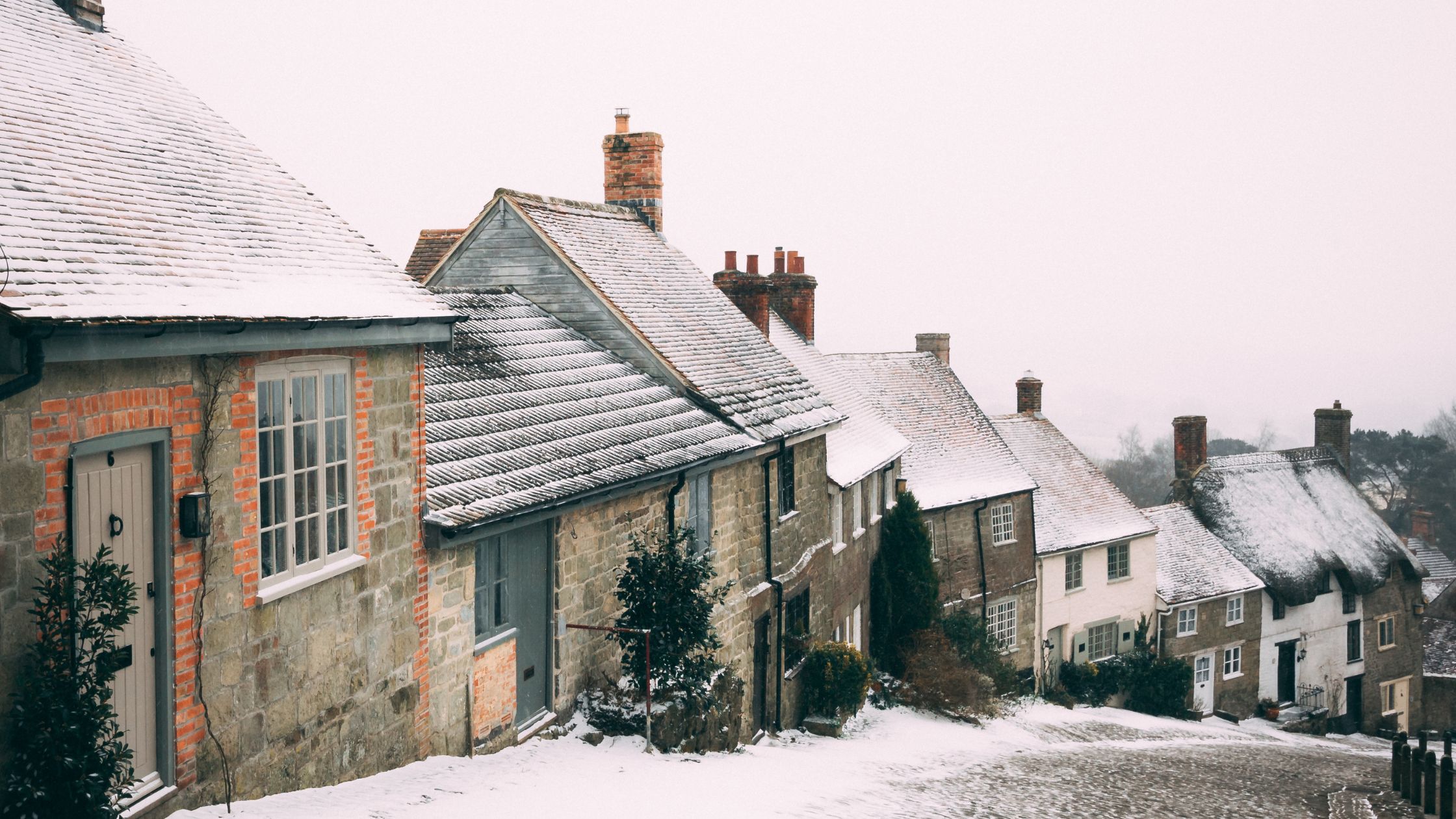
As winter approaches, many homeowners begin preparing for the cold, snowy, and often harsh conditions. While you might be focusing on things like heating, insulation, and snow removal, it’s just as important to pay attention to the roof over your head. Your roof is your home’s first line of defense against the elements, and maintaining it during the winter months can help you avoid costly repairs and ensure the safety and comfort of your household. Here’s why roof maintenance with the best local roofers north wales is crucial during the colder season and how to take the necessary steps to protect it.
1. Inspect for Damaged Shingles or Tiles
Before the first snowfall, it’s essential to inspect your slate roof for any damaged, cracked, or missing shingles or tiles. These imperfections can allow water, snow, and ice to seep into your home, causing leaks or even structural damage.
Start by visually inspecting your roof from the ground, looking for any signs of damage or areas where shingles have curled, cracked, or fallen off. If you can safely access your roof with a ladder, check for areas that might be particularly vulnerable to winter weather. If you’re unsure about how to perform a roof inspection, it’s always best to hire a professional roofer who can assess the condition of your roof and perform necessary repairs.
2. Clear Gutters and Downspouts
Clogged gutters and downspouts are one of the most common causes of roof damage during the winter. When gutters are filled with leaves, twigs, and debris, they can’t effectively channel water away from your roof. During winter, any water that accumulates in your gutters can freeze, creating ice dams that force water under your shingles and into your home.
Before the cold weather sets in, ensure that your gutters are clean and clear of debris. If your gutters are clogged or overflowing, water can back up, leading to potential damage. Consider installing gutter guards to prevent debris from collecting in the future, reducing maintenance throughout the winter season.
3. Prevent Ice Dams
Ice dams occur when snow on the roof melts and then refreezes at the eaves, blocking the flow of water and causing it to back up under the shingles. This can lead to leaks, water damage, and even damage to the roof itself.
To prevent ice dams, ensure your attic is properly insulated and ventilated. Good attic insulation helps to keep the warmth inside your home, preventing snow from melting too quickly. Adequate ventilation allows the cold air to circulate, keeping the roof cold and ensuring that melting snow flows off the roof properly. In addition, you can use a roof rake to safely remove snow from the edges of the roof, helping to prevent ice dams from forming.
4. Trim Overhanging Branches
Heavy snow and ice can weigh down overhanging tree branches, putting your roof at risk of damage. These branches can scrape or puncture the roof, or even break off and fall onto it, causing significant harm.
Before winter sets in, trim any branches that are hanging close to your roof. This will not only help protect your roof from physical damage but will also prevent debris like leaves, twigs, and branches from clogging your gutters or piling up on your roof. If you’re not comfortable trimming the trees yourself, consider hiring a professional tree service.
5. Check for Proper Insulation
Proper insulation in your attic can make a significant difference in protecting your roof during the winter. Insulation helps to regulate the temperature inside your home, keeping it warm and preventing the roof from heating up too much when snow is present. Without proper insulation, heat can escape into the attic, causing snow on the roof to melt prematurely and refreeze at the edges, which leads to ice dams.
If you’re unsure about the quality of your attic insulation, it may be time to have a professional assess the situation. Ensuring your attic is properly insulated will not only help protect your roof but will also contribute to energy savings and a more comfortable home environment.
6. Perform Regular Roof Inspections Throughout the Winter
Even after you’ve completed your pre-winter maintenance, it’s important to monitor your roof throughout the winter season. Snow and ice can build up quickly, and harsh winter storms can cause unexpected damage. Take time to visually inspect your roof after major storms, checking for signs of damage such as fallen branches, missing shingles, or leaks inside your home.
If you notice any issues, it’s essential to address them as soon as possible. Ignoring roof damage can lead to more extensive and costly repairs down the line. If you’re not able to safely access the roof or spot any damage, consider hiring a roofing professional to assess it for you.
7. Keep Attic Ventilation Clear
Proper attic ventilation is just as important in winter as it is in summer. It helps maintain a consistent temperature in the attic, which reduces the risk of condensation, mold, and ice dams. Vents should remain clear of insulation, debris, or anything that could block airflow. If the ventilation is obstructed, it can cause heat buildup, leading to uneven melting and refreezing of snow on the roof.
Make sure your attic vents, including soffit and ridge vents, are clear and working properly to ensure consistent air circulation. This small step can go a long way in preventing more significant roof and home issues.
8. Invest in a Roof Snow Removal Service
While it’s tempting to handle snow removal yourself, safety should always come first. Removing snow from a roof can be dangerous, especially if you’re using a ladder or trying to navigate icy conditions. If you live in an area with heavy snowfall, consider hiring a professional roof snow removal service.
These experts use the right tools and techniques to safely remove snow and ice from your roof, preventing damage and reducing the risk of accidents. A professional service can also check for issues like ice dams and provide recommendations for further roof maintenance if needed.
Conclusion
Maintaining your roof during the winter months is essential to protecting your home from the elements and avoiding costly repairs. By performing regular inspections, keeping gutters clear, preventing ice dams, trimming overhanging branches, and ensuring proper insulation and ventilation, you can extend the life of your roof and ensure it performs at its best during harsh weather conditions.