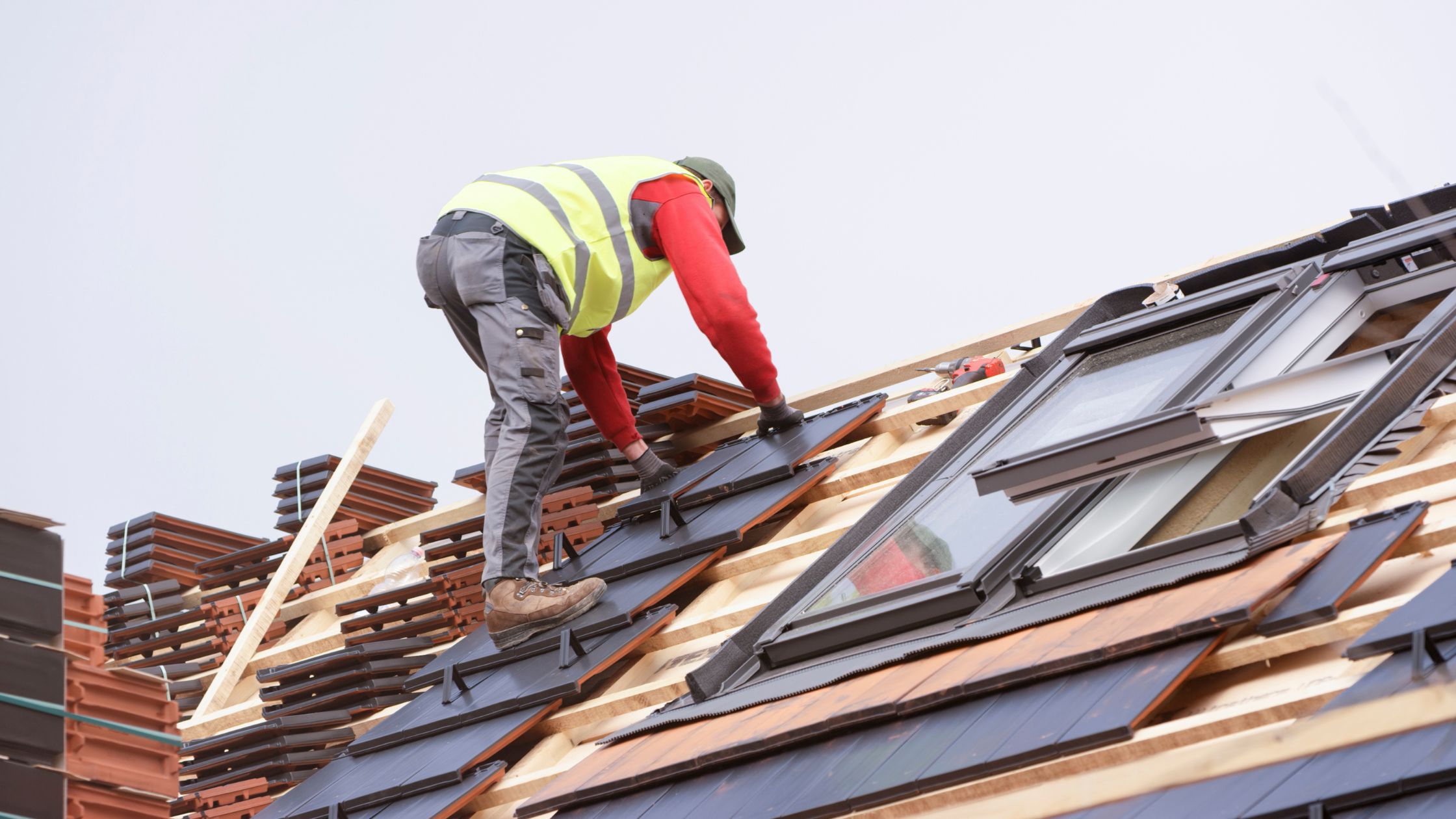
Regan Roofing are often asked one key question by homeowners: “How long will my roof last?” The truth is, it depends largely on the material your roof is made from—along with the weather conditions in your area and how well it’s maintained.
If you’re planning a roof replacement, buying a new property, or just wondering how much life your current roof has left, this guide breaks down the average lifespan of the most common roofing materials used across the UK and especially in areas like North Wales.
1. Asphalt Shingles (15–30 Years)
Most Common For: Standard residential homes
Lifespan: 15–30 years (depending on quality and maintenance)
Maintenance: Moderate
Notes: Asphalt shingles are one of the most affordable and widely used roofing materials. They’re available in various styles and colours, and while they’re not the longest-lasting, they offer good value for money. In wetter, coastal climates like North Wales, proper ventilation and drainage are crucial to extend their life.
2. Concrete Tiles (30–50 Years)
Most Common For: Traditional UK homes
Lifespan: 30–50 years
Maintenance: Low
Notes: Concrete roof tiles are durable and highly weather-resistant. They’re heavier than shingles and require a strong roofing structure. Their long lifespan and resistance to moss and lichen make them a popular choice with roofers in North Wales, especially for properties in rural or exposed areas.
3. Slate Tiles (75–100+ Years)
Most Common For: Heritage and high-end homes
Lifespan: 75–100+ years
Maintenance: Low to moderate
Notes: Natural slate is one of the most durable roofing materials available. It’s resistant to fire, rot, insects, and the harshest weather conditions. Many older properties in North Wales still have their original slate roofs. Though expensive, slate is a long-term investment and adds significant value and character to a property.
4. Clay Tiles (50–100 Years)
Most Common For: Older and character homes
Lifespan: 50–100 years
Maintenance: Low
Notes: Like slate, clay tiles are known for their longevity and durability. They have a distinct, traditional look and are resistant to weathering and rot. However, they’re also quite heavy and brittle, so installation should be handled by experienced roofers in North Wales familiar with local conditions.
5. Metal Roofing (40–70 Years)
Most Common For: Modern homes and commercial buildings
Lifespan: 40–70 years
Maintenance: Low
Notes: Metal roofs (zinc, steel, aluminium) are becoming increasingly popular due to their durability and modern look. They are lightweight, environmentally friendly, and ideal for areas with heavy rainfall. Noise during rain can be a concern for some homeowners, but insulation usually solves that.
6. Flat Roof Materials
Depending on the material, flat roofs have varying lifespans:
- Felt: 10–15 years
- EPDM Rubber: 20–30 years
- GRP Fibreglass: 25–40 years
Notes: Flat roofs are common on extensions, garages, and some commercial buildings. Choosing the right material and ensuring professional installation is key to avoiding leaks and premature wear.
How to Extend Your Roof’s Lifespan
No matter what material your roof is made from, here are a few tips to get the most life out of it:
- Schedule annual inspections by local roofing professionals
- Keep gutters clean to prevent water build-up
- Remove moss and algae regularly, especially in damp climates
- Address minor damage (cracked tiles, missing shingles) promptly
- Ensure proper attic ventilation to reduce moisture build-up
Final Thoughts
Knowing how long your roof is likely to last helps you plan for maintenance, repairs, or eventual replacement. If you’re unsure about your roof’s current condition, it’s always best to consult with professional roofers in North Wales who understand the local weather, building styles, and best material choices for long-term performance.