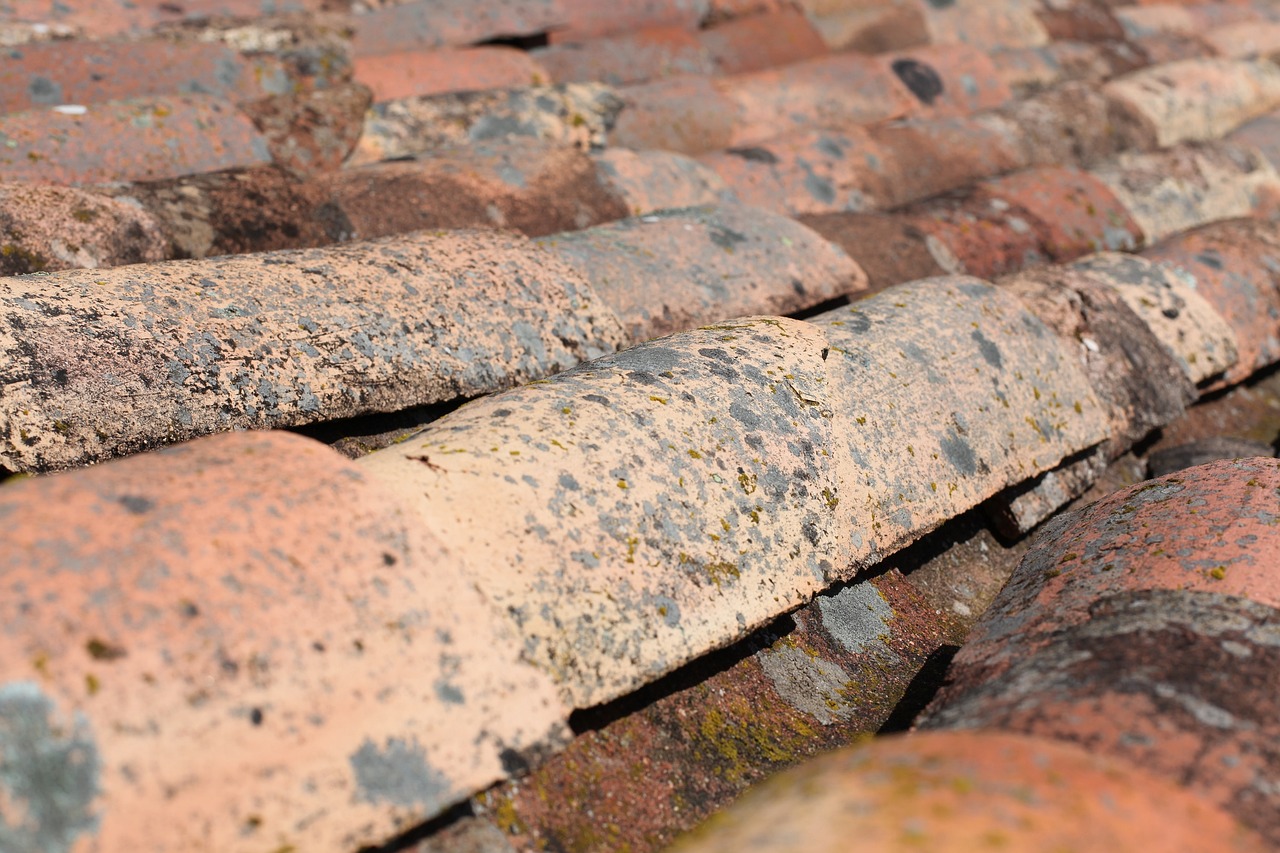
Your roof is one of the most important components of your home, protecting it from the elements and providing essential shelter for you and your family. However, like any part of your home, roofs have a limited lifespan and will eventually need to be replaced by the best roofers conwy. But how do you know when it’s time to invest in a new roof? In this blog, we’ll discuss some common signs that indicate it’s time to replace your roof.
1. Age of the Roof
The age of your roof is one of the most significant factors in determining whether it needs to be replaced. Most roofs have a lifespan of 20 to 25 years, depending on the materials used and the climate in which you live. If your flat roof is approaching or has surpassed this age range, it’s likely time to start considering a replacement, even if there are no visible signs of damage.
2. Curling or Buckling Shingles
Inspect the shingles on your roof for signs of curling, buckling, or warping. These are common signs of weathering and indicate that the shingles are reaching the end of their lifespan. Curling shingles can allow moisture to seep underneath, leading to water damage and rot in the underlying roof structure.
3. Missing or Damaged Shingles
Missing or damaged shingles can leave your roof vulnerable to leaks and water damage. If you notice any shingles that are cracked, broken, or completely missing, it’s important to address the issue promptly to prevent further damage to your roof and home. Keep in mind that missing shingles may indicate that the adhesive holding them in place has failed, which could be a sign of overall roof deterioration.
4. Leaks or Water Damage
Water stains on your ceiling or walls are clear indicators of roof leaks. While some leaks can be repaired, chronic or widespread leaks may suggest that your roof has reached the end of its lifespan and needs to be replaced. Look for signs of water damage in your attic or crawl space, such as mold, mildew, or rotted wood, as these can also indicate roof leaks.
5. Sagging or Drooping
A sagging or drooping roofline is a serious structural issue that requires immediate attention. It can indicate damage to the roof decking or underlying support structure, possibly due to water damage, rot, or inadequate ventilation. If you notice any areas of sagging or drooping on your roof, it’s crucial to have them inspected by a professional roofer as soon as possible.
6. Granule Loss
Asphalt shingles have a protective layer of granules that helps shield them from the sun’s UV rays and prolong their lifespan. If you notice excessive granule loss on your shingles, either in your gutters or on the ground around your home, it’s a sign that your shingles are deteriorating and may need to be replaced soon.
7. Energy Efficiency Issues
An ageing or deteriorating roof can also impact the energy efficiency of your home. If you notice a significant increase in your heating or cooling bills, it could be a sign that your roof is no longer effectively insulating your home. A new roof with modern, energy-efficient materials can help improve your home’s comfort and reduce your energy costs.
Conclusion
While some roof issues can be repaired, there comes a point when replacement is the most cost-effective and practical solution. By paying attention to these signs and scheduling regular roof inspections, you can catch problems early and avoid more extensive damage to your home. If you notice any of these signs or have concerns about the condition of your roof, don’t hesitate to contact a professional roofing contractor for a thorough inspection and assessment. Investing in a new roof when needed will not only protect your home and belongings but also provide peace of mind for years to come.