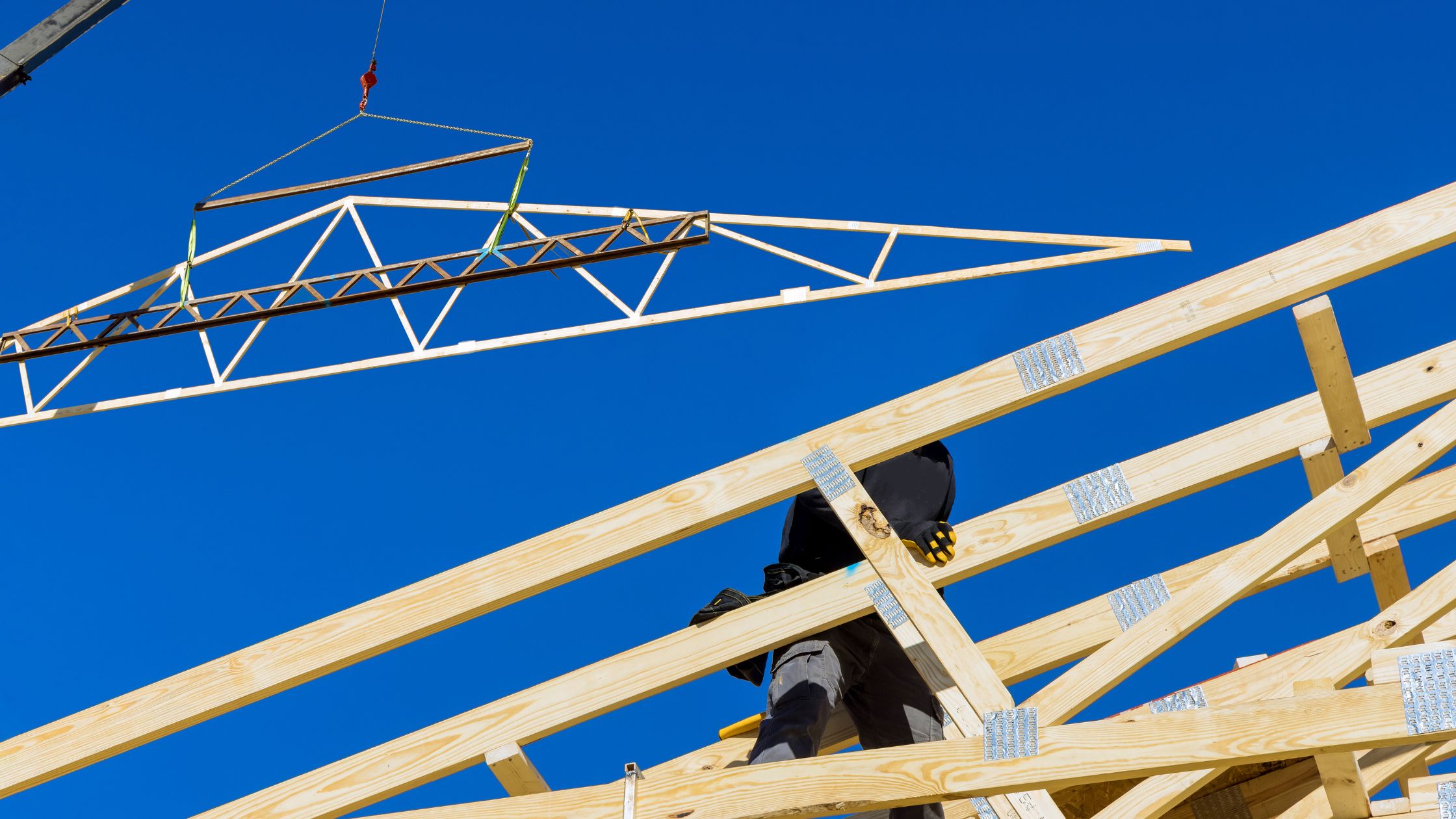
Roof trusses are essential structural components of your home, providing the necessary support for your roof and maintaining its integrity. Over time, various factors can lead to wear and damage, making it crucial to identify potential issues early. In this blog, we’ll explore some of the key signs that your quality oak roof truss may need repair or replacement, ensuring the safety and longevity of your home.
1. Visible Damage or Deformation
One of the most apparent signs of trouble is visible damage. Inspect your roof trusses regularly for any signs of deformation, such as:
- Cracks: Look for cracks in the wood or metal components of the trusses. Even small cracks can indicate underlying issues.
- Splitting: Check for splits along the length of the truss, which can compromise its strength.
- Warping: If the attic roof trusses appear bent or twisted, it may indicate excessive weight or moisture issues.
If you notice any of these problems, it’s essential to consult a professional to assess the situation.
2. Sagging Roofline
A sagging roofline is a clear indication that something is wrong with your roof structure. If the roof appears to dip in certain areas, it could be a sign that the trusses are no longer providing adequate support. This sagging can result from various factors, including:
- Excessive Weight: Snow, ice, or additional roofing materials can put undue stress on the trusses.
- Rot or Damage: Weakened trusses due to rot or pest infestations can fail to support the roof properly.
3. Water Damage or Staining
Water damage is another red flag that your roof trusses may be at risk. Look for:
- Water Stains: Discoloration on the ceilings or walls, especially near the roofline, can indicate water infiltration.
- Mould or Mildew: The presence of mould or mildew can signal prolonged moisture exposure, leading to wood rot.
If you notice any signs of water damage, it’s crucial to identify the source and address it immediately to prevent further deterioration.
4. Pest Infestation
Pests like termites or carpenter ants can wreak havoc on your roof trusses. If you see:
- Sawdust: Fine sawdust around the base of wooden trusses may indicate termite activity.
- Hollow Sounds: Tapping on the wood and hearing a hollow sound can also be a sign of pest damage.
If you suspect an infestation, contact a pest control professional to assess the damage and determine if repairs or replacements are necessary.
5. Unusual Noises
Sometimes, the signs of trouble are auditory rather than visual. If you hear unusual noises, such as creaking or popping sounds, it may indicate shifting or settling of the roof structure. These noises can signal:
- Structural Movement: The trusses may be under strain due to excessive weight or damage.
- Loose Connections: Joints that are not secure can create noise as the structure shifts.
6. Roof Leaks
While roof leaks can result from damaged shingles or flashing, they can also indicate underlying truss issues. If you experience recurring leaks, especially in different areas of your home, it’s important to investigate further. Leaks can lead to moisture buildup, which can weaken the trusses over time.
7. Increased Energy Costs
If you notice a significant increase in your energy bills, it could be related to your roof trusses. Poorly functioning trusses can lead to inadequate insulation and ventilation, causing your heating and cooling systems to work harder. This increased strain can be a sign that your trusses are compromised and may need attention.
Conclusion
Regular inspections and maintenance of your roof trusses are essential to ensure the safety and longevity of your home. If you notice any of the signs mentioned above, it’s crucial to consult a professional for a thorough evaluation. Addressing issues early can save you from more extensive repairs and costs down the line, helping to maintain a safe and secure environment for you and your family. Don’t wait until it’s too late—protect your investment by keeping an eye on the health of your roof trusses!