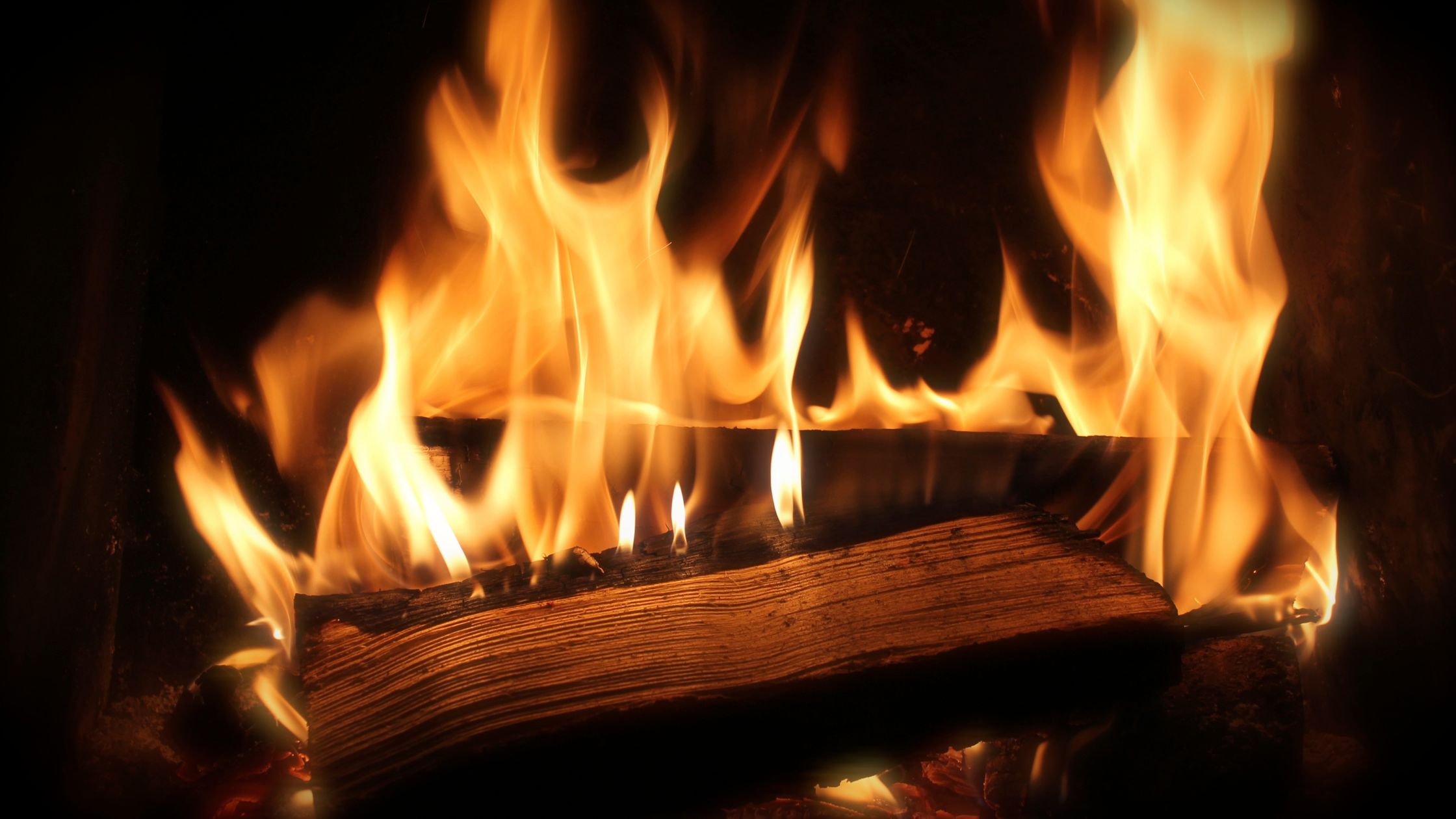
When it comes to seasoned logs for home heating, Choosing the right type of wood for your fireplace or wood stove can significantly impact heat output, burn time, and overall efficiency. Not all wood burns the same, and knowing which wood to use ensures you get the most from your fire. Let’s explore the best options, seasoning techniques, and safety considerations.
Hardwood vs. Softwood
Wood is generally categorised as hardwood or softwood logs, each offering distinct benefits:
- Hardwoods such as oak, maple, and hickory are dense and burn slowly, producing more heat with less smoke. They’re ideal for home heating.
- Softwoods like pine, fir, and cedar ignite quickly and are great for kindling but burn faster and generate more smoke, making them less efficient for long-lasting fires.
Top Woods for Burning
- Oak: Known for its long burn time and high heat output, oak is a top choice for heating your home. It’s dense and slow-burning, making it perfect for overnight fires.
- Maple: Burns hot and clean, making it suitable for fireplaces and wood stoves alike.
- Hickory: One of the hottest-burning woods, hickory is excellent for cold winter nights. Its high density ensures a longer-lasting fire.
- Ash: Easy to split and burns well, even when not fully seasoned. It produces consistent heat and minimal smoke.
- Beech: Burns hot and clean but needs to be well-seasoned due to its high moisture content.
Woods to Avoid
Certain woods are unsuitable for burning because of high sap content, excessive smoke, or unpleasant odors. Avoid burning:
- Pine and Fir: These softwoods produce a lot of creosote, which can build up in chimneys and pose a fire hazard.
- Green or Unseasoned Wood: High moisture content leads to inefficient burning, excessive smoke, and more creosote.
- Driftwood: Salt from driftwood can release harmful chemicals when burned.
- Wood with Paint or Chemicals: Burning treated or painted wood releases toxic fumes that can be harmful to your health.
Seasoning Your Firewood
Properly seasoned firewood is essential for efficient burning. Seasoned wood has been dried for at least six to twelve months and has a moisture content of around 20%. Signs of seasoned wood include cracks in the ends, a lighter weight, and a hollow sound when two pieces are struck together. Using seasoned wood ensures hotter fires, less smoke, and minimal creosote buildup.
Storing Firewood
Proper storage is crucial to keep firewood dry and ready to burn. Store your firewood in a covered area with good air circulation. Stack the wood off the ground on pallets or racks to prevent moisture absorption. Avoid covering the entire stack with a tarp, as this can trap moisture—cover only the top to protect against rain and snow.
Safety Tips for Burning Wood
- Use a Fireplace Screen: Protect your home from sparks and embers.
- Maintain Your Chimney: Schedule regular chimney cleanings to remove creosote buildup.
- Burn in a Well-Ventilated Area: Ensure proper ventilation to prevent the buildup of carbon monoxide.
- Start Fires Safely: Use kindling and newspaper to start your fire—never use gasoline or lighter fluid.
Conclusion
The best wood to burn is typically a dense hardwood that has been properly seasoned. Oak, maple, hickory, ash, and beech are all excellent choices for their heat output, long burn time, and clean-burning properties. Avoid green, resinous, or treated wood to ensure a safer, more efficient fire. By selecting and storing the right firewood, you can enjoy a warmer home and a more pleasant fire-burning experience throughout the winter.